Heads, Tails and Variance: What a Backyard Coin Game Still Teaches Slot Spinners
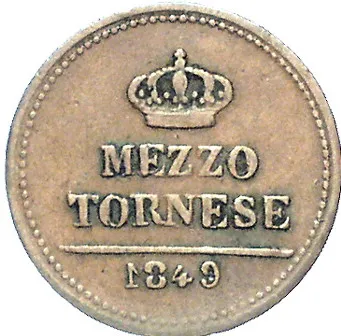
Photo: Unknown, Public domain, via Wikimedia Commons
Heads, Tails and Variance
There's a version of gambling that doesn't need a rulebook, a paytable or a user agreement with fourteen tabs. Two coins on a piece of wood, a ring of blokes, and a call of heads or tails. Two-Up has been part of the Australian story since the diggings, and it survives because it's about as honest as a wager gets: two sides, even chance, done.
Online slots are the other end of the spectrum. Engineered, calibrated, marketed, and layered with more variance settings than a weather app. And yet the same instinct pulls Aussies towards both — that little spark of hope when the coin goes up, or the reels start turning.
Worth unpacking.
The Game That Never Needed Explaining
Two-Up's maths is almost aggressively simple. Two coins, four possible outcomes, two of them heads-up, two of them tails-up. The probability is fifty-fifty and it doesn't drift. The spinner's cut is where the house gets its edge, and everyone standing in the circle can see it happening.
That transparency is the whole point. You know exactly what you're risking and exactly what your chance is. There is no 'hot coin'. There's no such thing as a coin that's due. The bloke next to you might swear otherwise, but the coin doesn't care.
Slots Are a Different Beast Entirely
A modern slot doesn't owe you a 50/50 anything. It runs on a random number generator with a defined return-to-player percentage and a volatility profile, and those two numbers do completely different jobs.
RTP tells you what proportion of all money wagered comes back over an enormous number of spins. Volatility tells you how that return is delivered — in frequent small dribs, or in rare and dramatic bursts. Neither number tells you what happens in your next twenty spins, and that's the bit players consistently misread.
A high-volatility slot might pay nothing for two hundred spins and then land something enormous. A low-volatility game might tick along paying small amounts constantly. Both can hold a 96% RTP. The experience is completely different, and the game that suits your bankroll depends entirely on which one you're sitting in front of.
Luck, Control and the Hot Machine
Here's where the old coin game and the new reels part ways psychologically.
Two-Up makes it obvious that you have no influence. Nobody rubs the penny for luck and genuinely believes it works. But a slot machine offers endless small hooks for perceived control — choosing which game, when to raise the bet, which bonus to buy, when to stop. That illusion feels like skill. It's mostly theatre.
The irony is that the honest game and the engineered game attract the exact same superstitions. Blow on the coin, tap the screen, play the same machine you won on last time. We're pattern-hunting creatures, and randomness looks like a message if you stare at it long enough.
Recognising that pull is the first real layer of trust you build with yourself. Knowing what you're playing — and what it will and won't do — is the second.
Reading the Volatility Label in Plain English
If you take nothing else from the coin game, take this: know your odds shape before you put money down.
- Low volatility — lots of small returns, gentle swings. Longer sessions, smaller peaks. Closer to a slow bleed than a lightning strike.
- Medium volatility — a middle path. Some dry spells, some decent hits.
- High volatility — long droughts, huge potential peaks. Needs a bigger bankroll to survive the quiet parts, and a stronger stomach.
Most casinos in 2026 list volatility somewhere in the game info panel. Look for it. A game that suits your budget at a low stake can wreck you at a high one purely because the variance is brutal and your balance isn't deep enough to wait out the gap.
And remember, RTP is not a guarantee. It's an average across millions of spins that nobody individual will ever experience.
What the Old Diggers Actually Got Right
Two-Up culture carries a few lessons that translate neatly to the screen.
The stake is set before the coins go up. Nobody decides halfway through the toss to double down. Your bet is your bet.
The game ends when the round ends. No chasing. No 'one more throw'. The circle breaks, the money settles, everyone goes back to the bar.
Everyone can see the odds. Nothing is hidden behind a bonus banner. There's no wagering requirement on a coin.
It's social, not solitary. The fun lives in the circle, not in the result. That's a genuinely healthy way to think about casino play too.
Last Word
The coin doesn't pretend to be anything other than what it is, and that's why it has lasted. Slots won't ever be that honest — they're built to entertain, and entertainment is engineered. But you can borrow the Two-Up mindset: set the stake, know the odds, call it when the round's done.
Heads or tails is a clean question. 'How volatile is this game and can my bankroll survive it' is a slightly longer one, but it's worth asking before the reels start. Trust yourself first. The rest is just coin tosses.